GESSbot
Schnaithmann

Schnaithmann Maschinenbau – Flexible Production Logistics with GESSbot

How Schnaithmann Maschinenbau and GESSMANN are integrating stationary conveyor technology with autonomous mobile robots.

Gesssmann_GESSbot_Schnaithmann_3

Flexible Production Logistics Through the Combination of Assembly Automation and AMR

Together with Schnaithmann Maschinenbau, GESSMANN demonstrates how traditional assembly automation can be flexibly expanded through autonomous mobile robotics.

The focus is on the combination of the GESSbot autonomous mobile robot and Schnaithmann's conveyor and assembly technology.

By integrating a flat belt conveyor onto the mobile robot platform, workpiece carriers, small load carriers, and assemblies can be transported autonomously between different transfer stations.

The solution combines the advantages of stationary transfer systems with the flexibility of autonomous mobile robots, thereby creating new opportunities for adaptable production logistics.

Initial Situation

Rigid Material Flows as a Challenge in Assembly Automation

Industrial assembly and production lines must increasingly adapt to different product types, smaller batch sizes, and changing material flows.

Traditional, fixed-link transfer systems enable stable and repeatable production processes. However, they are less flexible when production layouts or material flows change on short notice.

Schnaithmann Maschinenbau therefore wanted to supplement its existing assembly and transfer systems with a mobile material supply system.

The goal was to find a solution that would allow workpiece carriers, small load carriers, and assemblies to be transported flexibly between different production stations.

Mobile robotics should also be able to be used in compact line layouts without having to install an additional fixed conveyor line for every material flow.

Changing product types and smaller batch sizes

Changes in Material Flows Within Production

Limited Flexibility of Permanently Installed Transfer Systems

Compact production layouts and narrow travel paths

Supplying Materials to Different Wards Based on Their Needs

Integration of New Technologies into Existing Assembly Lines

Gesssmann_GESSbot_Schnaithmann_1
Project Goal

Making Assembly Automation More Flexible Through Mobile Robotics

The goal of the collaboration between Schnaithmann Maschinenbau and GESSMANN was to combine traditional assembly automation with flexible, mobile intralogistics.

Autonomous mobile robots should handle the delivery and pickup of materials between different production stations and thus be able to respond to changing production requirements.

The focus was on a solution that can be integrated into new and existing assembly lines via configurable interfaces.

At the same time, the system should be usable even in limited spaces and be expandable with additional automation modules.

This led to the development of a modular production logistics concept in which autonomous mobile robots flexibly supplement existing transfer systems.

GESSbot combines autonomous mobile robotics with stationary conveyor technology

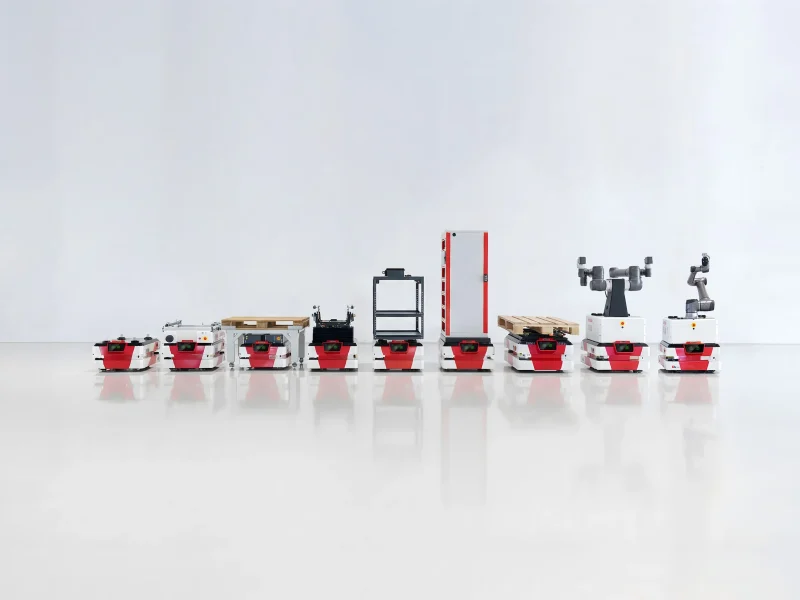
A flexible underride platform for the autonomous transport of heavy material carts.

The GESSMANN Solution

Automated Material Handling with Mobile Conveyor Systems

In collaboration with Schnaithmann Maschinenbau, GESSMANN developed an automation solution that combines autonomous mobile robotics with existing conveyor and assembly technology.

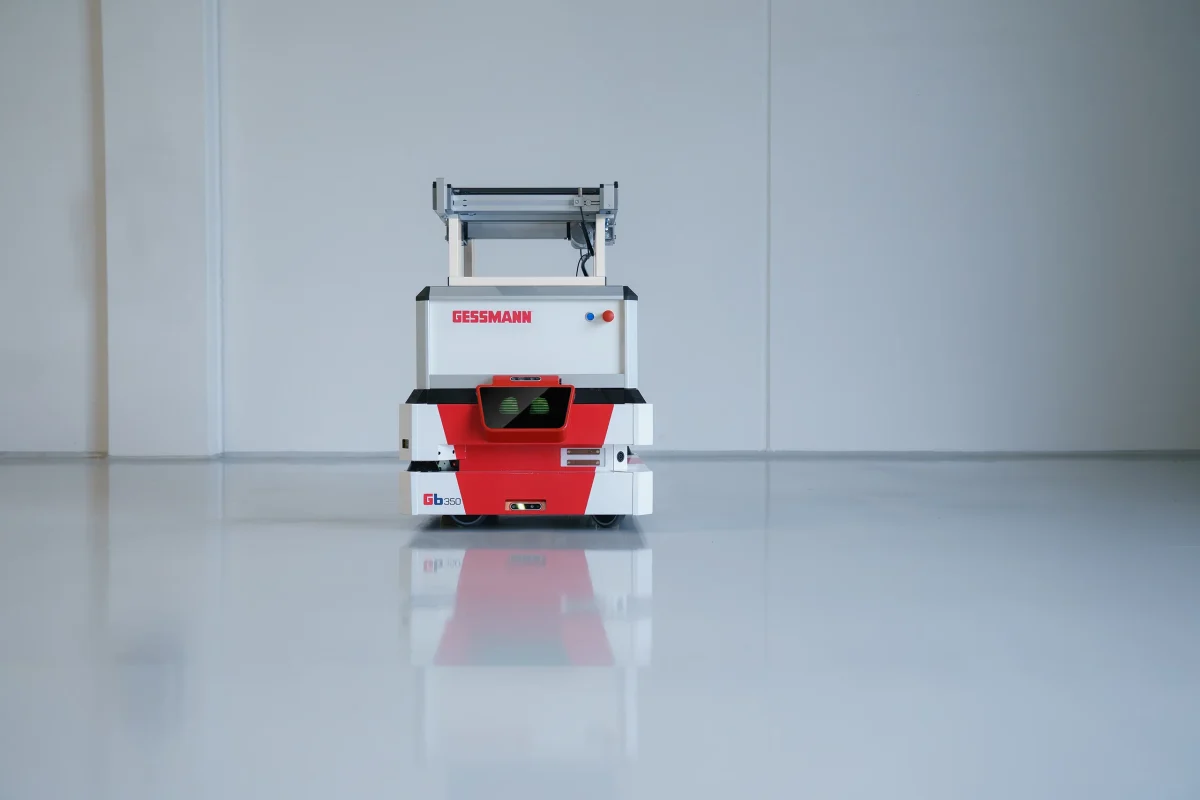
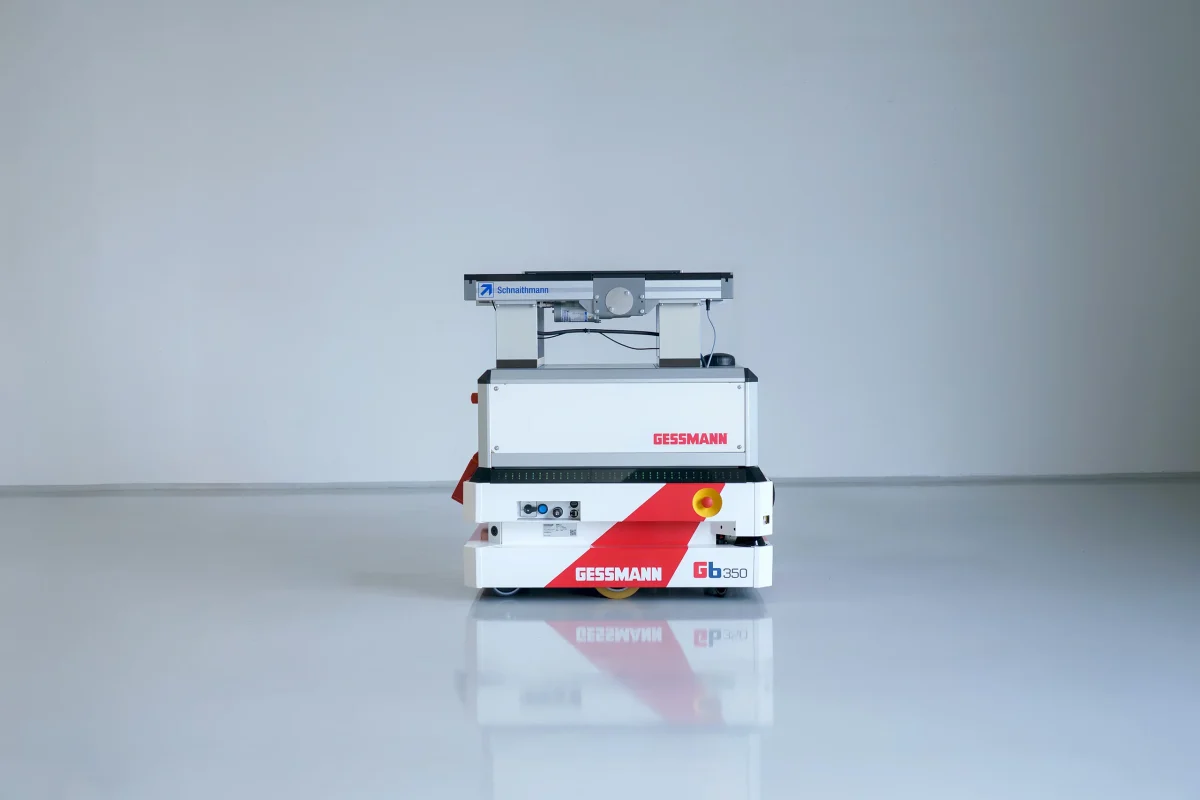
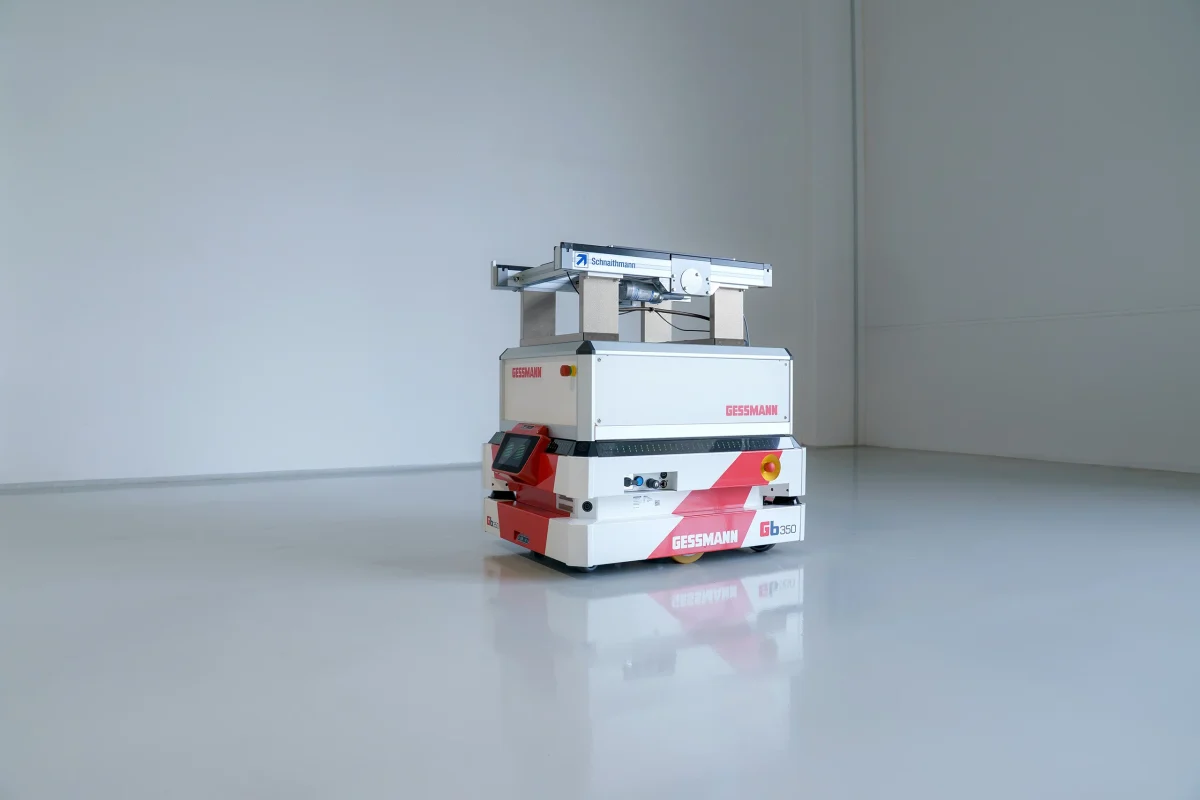
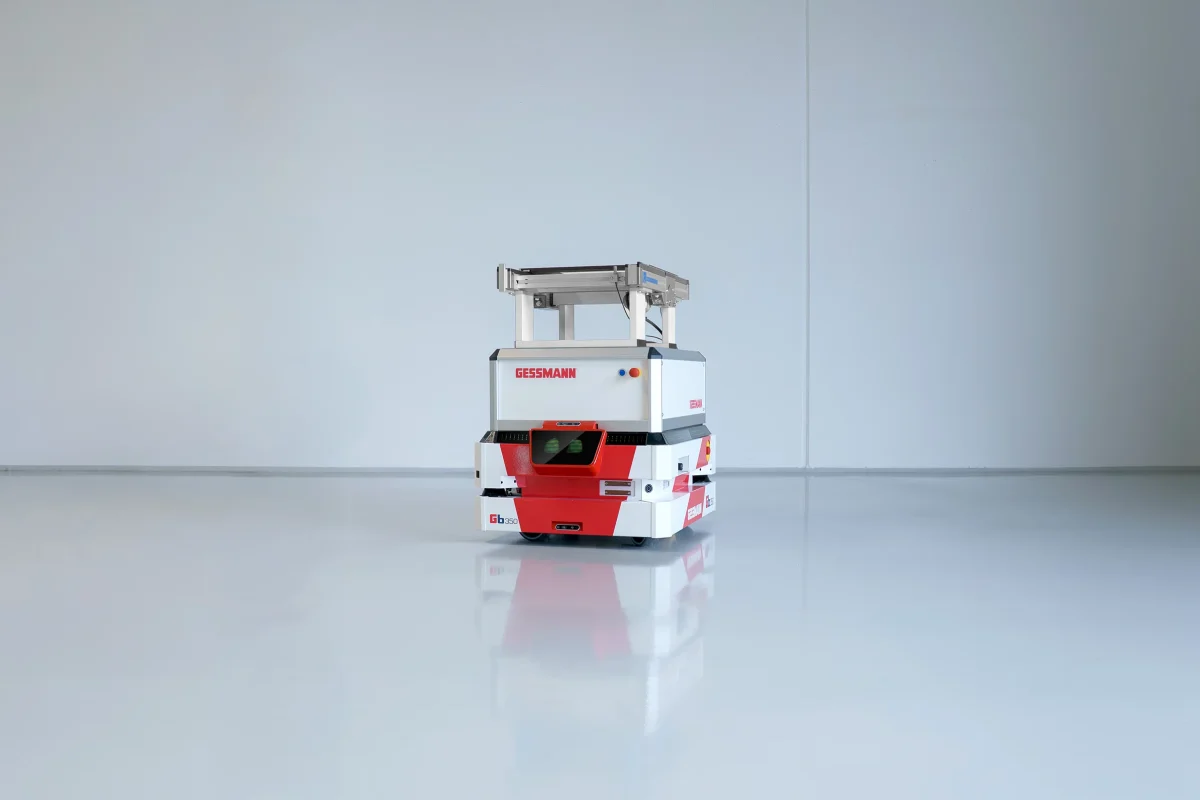
The GESSbot GB350 autonomous mobile robot is used as the mobile platform.

It is equipped with a BS21 flat belt conveyor from Schnaithmann, which enables workpiece carriers, small-load carriers, and assemblies to be transported autonomously between defined transfer points.

At each station, the mobile conveying system can be connected to stationary conveyor belts and transfer systems.

This results in a flexible material flow that does not rely exclusively on permanently installed conveyor lines.

Added Value for the Customer

What are the benefits of combining AMR with assembly automation?

Durch den Einsatz des GESSbot-Unterfahrwagens profitiert Schnaithmann von einer praxisnahen Automatisierungslösung für wiederkehrende innerbetriebliche Transporte.

The solution handles the movement of heavy material carts and can be easily integrated into existing production processes.

Flexible Material Supply
Autonomous mobile robots enable the on-demand transport of workpiece carriers, small load carriers, and assemblies between different production stations.
Adaptation to Changes in Production Layouts
Mobile transport solutions can make material flows more flexible, thereby making it easier to adapt to changing production conditions.
Integration into existing assembly lines
Configurable interfaces allow mobile robotics to be integrated with existing conveyor and transfer systems.
Efficient Use of Existing Production Space
The GESSbot's compact design allows it to be used even in production environments with limited space.
Scalable automation solution
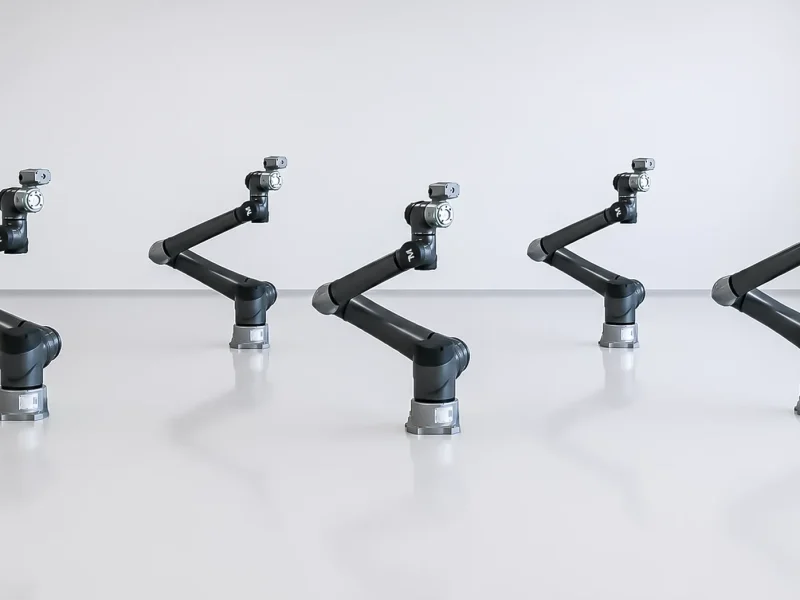
Additional modules such as cobots, scanners, or transfer systems allow the system to be adapted to various transport, handling, and inspection tasks.
Fewer manual transport tasks
Automating repetitive material transport can reduce the workload on employees and improve workplace safety in production.
Project Implementation

From Stationary Conveyor Systems to Flexible Production Logistics

The integrated automation solution is based on a combination of two technologies.

GESSMANN provides the GESSbot, an autonomous mobile robot platform. Schnaithmann supplements this with conveyor and assembly technology as well as compatible transfer systems.

The focus is on the technical coordination between mobile robotics and stationary conveyor systems.

In particular, the mechanical, electrical, and safety-related interfaces must be coordinated with one another.

As a specific example, the project documentation shows a GESSbot GB350 with an integrated BS21 flat belt conveyor.

In addition, the integration of collaborative robotics is described as an option for additional handling and inspection tasks.

Gesssmann_GESSbot_Schnaithmann

The Five Components of the Automation Concept

01

Integrating Mobile Robotics

02

Combining Material Handling Systems

03

Connect transfer stations

04

Ensure Navigation and Communication

05

Expand Automation Modularly

Project outcome

Flexible Production Logistics Through Intelligent System Integration

The collaboration between Schnaithmann Maschinenbau and GESSMANN demonstrates how existing assembly and transfer systems can be enhanced with autonomous mobile robotics.

The GESSbot GB350, with its integrated BS21 flat belt conveyor, offers a solution capable of transporting workpiece carriers, small load carriers, and assemblies between defined transfer stations.

The combination of stationary conveyor systems and mobile robotics allows for more flexible design of intralogistics material flows.

This approach combines the advantages of traditional transfer systems with the adaptability of autonomous mobile robots.

Additional modules and collaborative robotics open up further applications for mobile handling and inspection stations.

The integrated concept thus serves as the foundation for adaptable and modular production and logistics solutions.

Gesssmann_GESSbot_Schnaithmann_2
Gesssmann_GESSbot_Schnaithmann_3
Conclusion and Outlook

Mobile Robotics as a Complement to Traditional Assembly Automation

The joint project between Schnaithmann Maschinenbau and GESSMANN demonstrates how traditional assembly automation can be flexibly expanded through autonomous mobile robotics.

While stationary transfer systems enable stable and repeatable production processes, GESSbots handle flexible transport tasks between different production areas.

The combination of a mobile platform, conveyor technology, and configurable interfaces creates a foundation for adaptable material flows.

At the same time, the modular design makes it possible to integrate additional automation components.

This results in a flexible production concept that can adapt to changing product types, production volumes, and layout requirements.

FAQ Section

Frequently Asked Questions About Cobot Automation

Yes. Cobots are flexible:
New grippers, programs, or tasks can be added at any time.
The system can be expanded—for example, with additional workstations or more cobots.

Yes. Cobots can be connected to:

• Machine controls
• Camera systems
• ERP/MES
• Material Handling
This results in end-to-end automation processes.

Through a security concept certified in accordance with ISO standards, which takes into account, among other things:

• Power and speed limits
• Social Distancing Zones
• Sensors
Possible protection zones
The risk assessment determines whether additional protective measures are necessary.

Depending on the complexity:

• Simple applications: 1–2 weeks
• Complex cells: 4–8 weeks
• including custom designs; may be longer as needed

System integration includes:

• Process analysis
• Selecting the Right Cobot Model
• Design of grippers and fixtures
• Safety Concept & CE Compliance
• IT/Interface Integration
• Commissioning & Test Run

Contact our team of experts

Customized solutions for your application—tailored to your needs and delivered with expertise.

Contact Request

We look forward to hearing from you!

Use our contact form, give us a call, or visit us
Meet us in person.

W. Gessmann, LLC

Leingarten Plant:
221 Eppinger Street
74211 Leingarten, Germany

Schwaigern Plant:
17 Siemensstraße
74193 Schwaigern, Germany

You are currently viewing placeholder content from Default. To access the actual content, click the button below. Please note that doing so will result in data being shared with third-party providers.

More Information
Full name
Company name
Email address (business)
Phone number (optional)
Your message
Privacy policy
Position: 0
Slide to 5 to confirm you’re human.